US, Iran begin trilateral talks in Islamabad to de-escalate tensions in Middle East
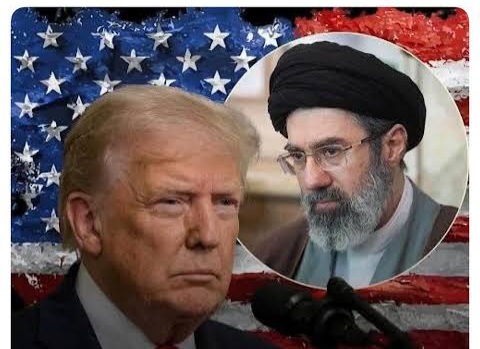

US, Iran begin trilateral talks in Islamabad to de-escalate tensions in Middle East
High-level diplomatic talks between the United States and Iran have commenced in Islamabad, Pakistan, marking the first face-to-face engagement between both countries in over four decades.
A senior White House official confirmed on Saturday that the trilateral meeting facilitated by Pakistan is currently underway, following earlier indications from Pakistani government sources.
The negotiations are aimed at resolving a six-week conflict and stabilising a fragile ceasefire reached earlier in the week.
The US delegation is led by Vice President JD Vance and includes special envoy Steve Witkoff, Jared Kushner, Deputy National Security Adviser Dr Andrew Baker, and Michael Vance, special adviser on Asian affairs.
The official added that a “full suite of U.S. experts on relevant subject areas” is also participating, with additional support teams operating from Washington DC.
On the Iranian side, Parliament Speaker Mohammad Bagher Qalibaf and Foreign Minister Abbas Araghchi are representing Tehran, while Pakistani Prime Minister Shehbaz Sharif is mediating the discussions.
The talks follow a temporary truce agreed just hours before a deadline issued by former US President Donald Trump, who had warned of severe strikes on civilian infrastructure if Iran failed to engage.
Despite the breakthrough, tensions remain high, with both sides accusing each other of breaching ceasefire terms, particularly over developments linked to Israeli operations in Lebanon and renewed restrictions around the Strait of Hormuz.
Speaking ahead of the negotiations, Vance expressed cautious optimism, stating, “As the president of the United States said, if the Iranians are willing to negotiate in good faith, we’re certainly willing to extend the open hand.”
He, however, issued a warning: “If they’re going to try to play us, then they’re going to find the negotiating team is not that receptive.”
Iran, on its part, has maintained firm conditions for continued engagement.
Earlier, Qalibaf insisted that discussions would not proceed unless Israeli actions in Lebanon cease and Iranian assets frozen abroad are released key elements of Tehran’s 10-point peace proposal.
Trump, speaking in a phone interview on Saturday, declined to predict the outcome of the talks.
“I’ll let you know that in a very short period of time. Won’t take long,” he said when asked if Iran was negotiating in good faith.
Saturday’s meeting represents a historic diplomatic moment, being the first direct interaction between US and Iranian officials since the 1979 Islamic Revolution, which severed formal relations between the two nations.
Previous engagements have largely been conducted indirectly through intermediaries, often stalling over disagreements surrounding Iran’s nuclear programme and broader regional security concerns.