What creation of one additional State for South-East will do for Nigeria

What creation of one additional State for South-East will do for Nigeria
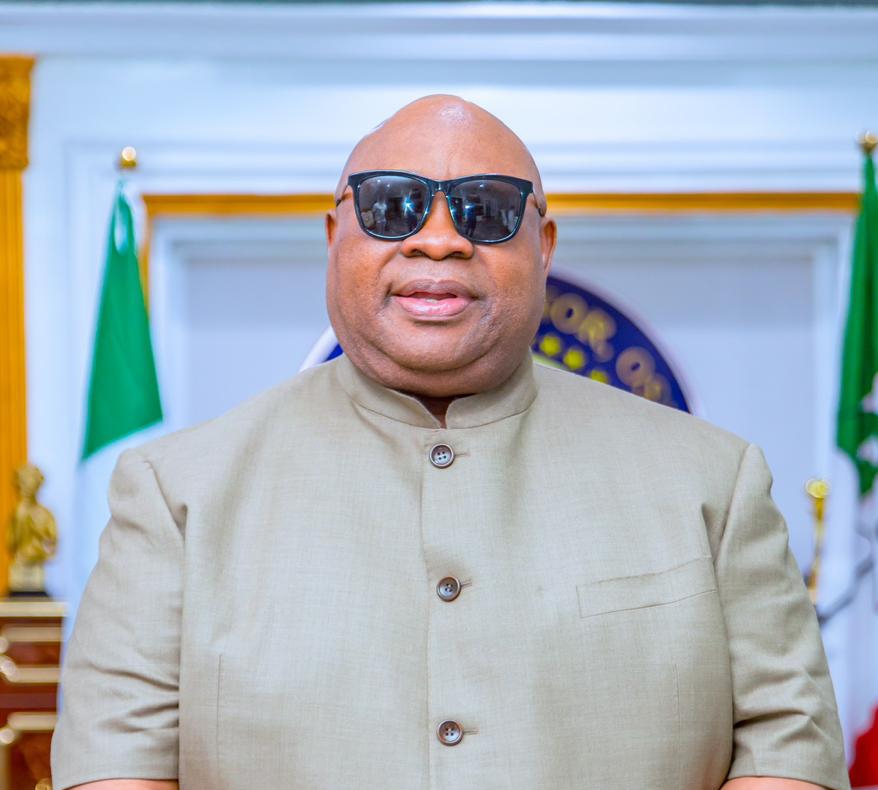
A chieftain of the All Progressives Congress (APC) and political affairs analyst, Dr. George Agbakahi, has expressed support for the National Assembly Joint Committee on Constitution Review’s recommendation to create an additional state for the South East geopolitical zone, aiming to bring the region in line with others in the country.
However, Agbakahi disagreed with the proposal to create additional states across each of the six geopolitical zones, which would increase the total number of states in Nigeria from 36 to 42.
The National Assembly committee recently met in Lagos and recommended adding one state to the South East, along with one state in each of the country’s six geopolitical zones.
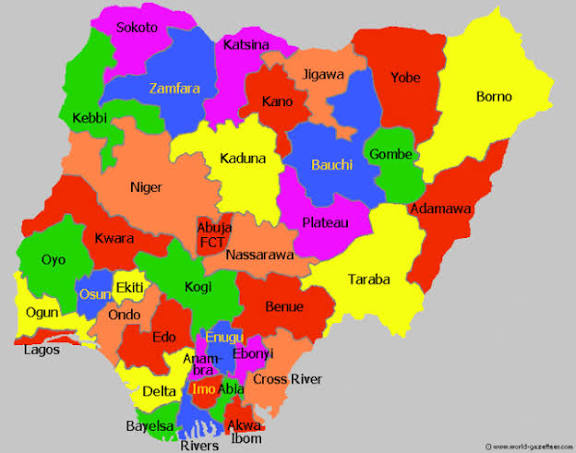
If the plan is approved, the North West would have eight states, the North East, North Central, South West, and South South would have seven each, and the South East would have six or seven states.
Chairpersons of the committee, Deputy Senate President Sen. Jibrin Barau and Deputy Speaker Benjamin Kalu, are expected to present the resolutions when lawmakers reconvene for plenary.
Speaking on the development during a Nigeria Television Authority (NTA) programme, “Nigeria Today”, monitored in Abuja, Dr. Agbakahi said that while creating one additional state for the South East would address the region’s sense of marginalisation, creating new states for each zone would be “unwieldy and economically unviable.”
“We understand that there is a particular region or geopolitical zone in Nigeria that is being marginalized in terms of the number of states. The South East currently has five states, whereas other regions in the federation have six and even one has seven.
“So if there is going to be any creation of the state, my opinion will be that the South East will receive an additional state that will make it six before we start talking about the creation of an additional state in the country.”
Agbakahi, also South East leader of the Tinubu Support Organization and member of the 2023 Presidential Campaign Council (PCC) Media and Publicity Directorate, noted that while creating new states carries both advantages and disadvantages, he preferred that only one state be added to compensate the South East.
He argued that new states, especially in the South East, would bring governance closer to the people, increase the number of senators and legislators, potentially add local government areas, and address minority agitations.
He added that an additional state in the South East would promote “equity, fairness, justice balance and transparency.”
“Any state that would be created in South East will be economically viable and can sustain itself. Igbo is the 3rd largest ethnic group in Nigeria after Hausa and Yoruba, hence additional state is necessary to balance the equation and give them a sense of belonging and identity,” he said.
Acknowledging concerns that some proposed states may not be economically self-sustaining, he said: “These are all the parameters that we have to take into consideration in the creation of states.
“But the argument of creating about 31 states, to me, I don’t think it’s feasible. I think Section 8 Part one of the 1999 Constitution made it in such a way that it’s a very rigorous exercise to create a state in a democratic certain.
“For example it has to go through the National Assembly, it has to go through the state Assembly, it even has to go through the local government level and there has to also be a referendum. So this issue of state creation in a democratic dispensation is not a very easy thing.”
On governance and state creation, Agbakahi highlighted the Tinubu administration’s achievements: “I remember before President Tinubu came on board the allocation to states was about N934 billion. But currently as we speak we are looking at about N1.8 trillion on a monthly basis.
“This has made it possible for most states to enhance infrastructural development, education and healthcare. The states we have so far, if the governors and the local government chairmen can do a whole lot with the money that is being provided to them, I think there will be massive infrastructural improvement, health, education in the entire country.”
He further noted that the federal government has provided the enabling environment for states, as internally generated revenue has grown:
“Before President Tinubu came on board, FIRS was generating about N11 trillion but now we are talking about over N21 trillion. So a lot is being done by the federal government, it’s left for the states and local governments to be able to manage the resources for the benefit of the masses.”
Agbakahi said that, if handled properly, creating new states could boost national development: “But when we talk about the economic viability of some of these proposed states, can they sustain themselves? The answer is probably no. Go to the United States, Texas and California put together are larger than Nigeria in terms of geographical size but they are 50 states.
“Currently we have 36 states, I don’t see the necessity of creating another 31 states as being proposed, that is unnecessary; let us utilize the resources we have in developing the existing states.
“From what I’m saying, I don’t think it’s necessary to create additional states, what we need to do is to create one more state for the South East. That’s all, we don’t need to create additional states.”
On ethnic identity as a factor in state creation, he said:
“For example, Idoma people of Benue State. You have them in Cross River, Enugu and part of Taraba. Creation of state would bring this ethnic group in one fold.”