Revealed; Why some groups are hauling attacks on former IG of Police Egbetokun

Revealed; Why some groups are hauling attacks on former IG of Police Egbetokun
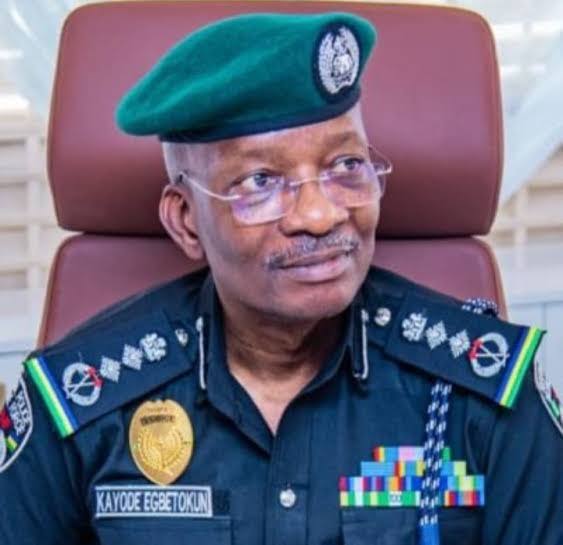
A former Inspector-General of Police, Kayode Egbetokun, faced relentless media attacks during his tenure, a security expert, Rtd CP Tajudeen Oladele, has revealed, as entrenched interests resisted his efforts to sanitize the Nigeria Police Force.
Oladele recounted that one of Egbetokun’s first challenges was confronting the widespread falsification of service records within the Force. Before his appointment, officers allegedly paid bribes to manipulate records, extending their years of service beyond the statutory limit.
“He didn’t just stop the practice. He fished out the culprits and forwarded their names to the Police Service Commission for proper disciplinary action, and they were all removed from the system,” Oladele said.
Another contentious issue involved a group of cadet entrants seeking to remain in service beyond their statutory period, relying on a judgement from the National Industrial Court of Nigeria.
Investigations, however, revealed the court decision was based on a fake signal purportedly from the Office of the Force Secretary and relayed through the Sokoto State Command.
“Our investigation confirmed that no such signal emanated from the Office of the Force Secretary. Even the version said to have been relayed by the Sokoto Command and tendered in court by the group was also found to be fabricated,” Oladele explained.
The findings were forwarded to the Police Service Commission, resulting in disciplinary action against those involved.
Egbetokun’s insistence on internal discipline, Oladele said, distinguished his leadership from previous administrations. “We cannot effectively enforce the law if we fail to enforce discipline within our own ranks,” he stated.
The crackdown, however, drew the ire of wealthy individuals and ambitious officers whose interests were affected. Oladele alleged that these groups orchestrated media campaigns to undermine the IGP’s reputation. “It was clearly a case of corruption fighting back,” he said.
Resistance also came from opponents of amendments to the Nigeria Police Act, which extended Egbetokun’s tenure to four years. Ambitious officers who saw the IGP as an obstacle reportedly joined forces with negative media narratives to advance their own agendas.
Oladele further pointed to elements linked to the “Take It Back Movement”, associated with the End Bad Governance protests, as attempting to destabilize the country through mass demonstrations. “They boasted that the #EndSARS protest would be child’s play and even referenced the 2024 mass protests in Kenya,” he said.
Despite the protests, Egbetokun maintained lawful policing actions to prevent violence and safeguard national stability. “He did everything lawful to stop them on the two major occasions and subsequent attempts. Considering the country’s socioeconomic fragility at the time, we believed it was in the overall interest of Nigerians,” Oladele added.
Through media attacks, fabricated allegations, and coordinated resistance, Egbetokun remained committed to reform. “In spite of the media wars, he remained focused. He is proud of what he achieved to advance policing in Nigeria in the interest of the silent majority of Nigerians,” Oladele concluded.