President Tinubu’s Govt bans importation of Paracetamol, Penicillin, other drugs
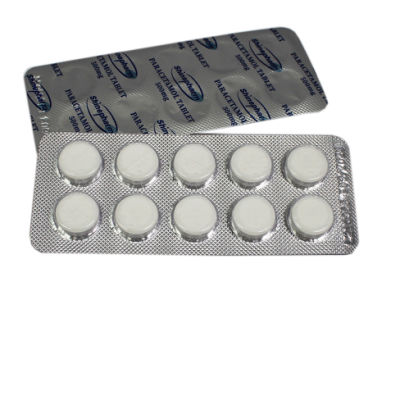

President Tinubu’s Govt bans importation of Paracetamol, Penicillin, other drugs
The Federal Government has tightened its import control regime with a revised list of prohibited items, targeting key sectors including pharmaceuticals, agriculture, and consumer goods in a move aimed at boosting local production and conserving foreign exchange.
The updated directive, issued by the Federal Ministry of Finance and dated April 1, 2026, outlines 17 categories of goods now barred from entry through Nigeria’s ports, with significant implications for importers and manufacturers.
A central feature of the policy is the restriction on a range of pharmaceutical products.
Under HS Codes 3003.10.00.00 to 3004.90.90.00, the government has prohibited the importation of commonly used medications such as paracetamol, metronidazole, cotrimoxazole, and chloroquine.
Also affected are aspirin, folic acid, multivitamins, and antibiotic ointments including penicillin and gentamycin, effectively placing the responsibility for supply on domestic pharmaceutical producers.
The importation of pharmaceutical waste under HS Code 3006.92.00.00 remains banned.
In the food and agriculture sector, existing restrictions on poultry products, including frozen chicken, have been retained, alongside bans on pork, beef, and eggs, with limited exemptions granted for hatching eggs used in research and breeding.
The policy also bars the importation of refined vegetable oils packaged in five litres or less such as soya-bean, palm, and sunflower oil while allowing crude variants for industrial processing.
Consumer goods are equally affected, with continued restrictions on packaged sugar, flavoured sucrose, and cocoa derivatives, including cocoa butter, powder, and cakes. Bulk chocolate in blocks exceeding two kilograms has also been listed among prohibited items.
Household products such as tomato paste, retail-packaged tomatoes, and bottled water are now reserved for local production, while soaps and detergents meant for retail sale fall under tightened controls.
Other everyday items impacted include ballpoint pens and refills, though pen tips are exempted from the ban.
In the industrial category, the government maintained its prohibition on bagged cement and certain fertilisers, including NPK 15:15:15 blends.
Packaging materials such as corrugated cartons, as well as selected glass bottles and steel products, also remain restricted.
The Nigeria Customs Service is expected to enforce the new measures, with authorities warning that non-compliance could attract seizures and other sanctions.