Nigeria faces Nationwide blackout over N4 trillion Federal Govt owed GenCos

Nigeria faces Nationwide blackout over N4 trillion Federal Govt owed GenCos
Nigeria’s power generation companies (GenCos) have raised the alarm over a looming collapse in electricity generation, citing an unresolved ₦4 trillion debt owed by the Federal Government.
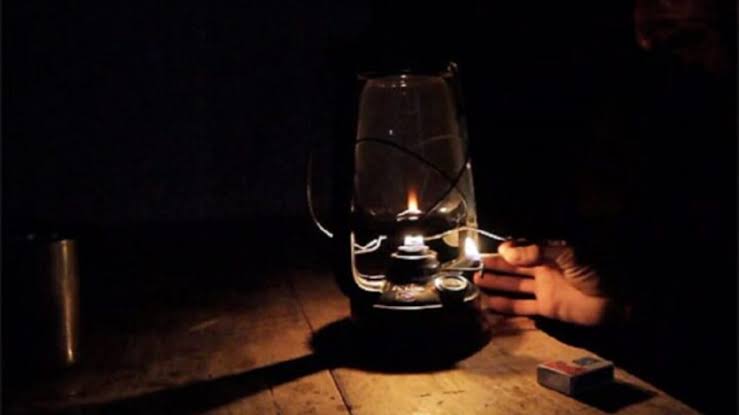
The companies warn that without immediate intervention, they may be forced to shut down operations entirely.
Col. Sani Bello (retd), Chairman of the Board of Trustees of the Association of Power Generation Companies (APGC), disclosed that GenCos are currently owed ₦2 trillion for electricity supplied in 2024, in addition to ₦1.9 trillion in legacy debts.
According to him, the sector’s liquidity crisis is being worsened by the government’s failure to pay over 70% of GenCos’ monthly invoices.
“This financial shortfall is crippling the sector. Without urgent and concrete steps, electricity generation in Nigeria could grind to a halt,” Bello said.
The companies are demanding a clear and actionable payment plan to settle the debts, warning that continued non-payment threatens not only their survival but the stability of the entire electricity value chain.
They blamed the deepening crisis on chronic underfunding, poor policy implementation, and a lack of investor-friendly frameworks.
Hopes that the World Bank’s Power Sector Recovery Operation (PSRO) might provide relief have faded, as other sector participants have failed to meet key performance benchmarks tied to the programme.
“The liquidity crisis is the single biggest threat to power supply in Nigeria,” the GenCos stated. “We’ve made significant investments over the past decade, in good faith, despite systemic constraints and a market that lacks proper financial guarantees.”
They added that tax pressures, regulatory bottlenecks, and rising operational costs—compounded by inflation, forex instability, and unresolved tariff issues—have made the situation increasingly unsustainable.
GenCos said the government’s 2025 budget allocation of ₦900 billion is grossly inadequate, covering neither outstanding debts nor future obligations.
Despite the implementation of Partial Contract Activation in the Nigerian Electricity Supply Industry (NESI) since July 2022, key mechanisms like the minimum remittance order, bilateral market structure, and the waterfall payment system have remained largely ineffective. As a result, nearly 90% of GenCos’ monthly invoices go unpaid.
“The power we generate is consumed, but we are not paid,” the statement said. “Without securitised payments or reliable financing plans, the entire sector is at risk.”
Currently, Nigeria operates 40 grid-connected power plants run by GenCos, independent power producers, and the Niger Delta Power Holding Company. With the sector now facing a critical financial cliff, the GenCos are urging the government to act swiftly to avert a full-scale collapse.