
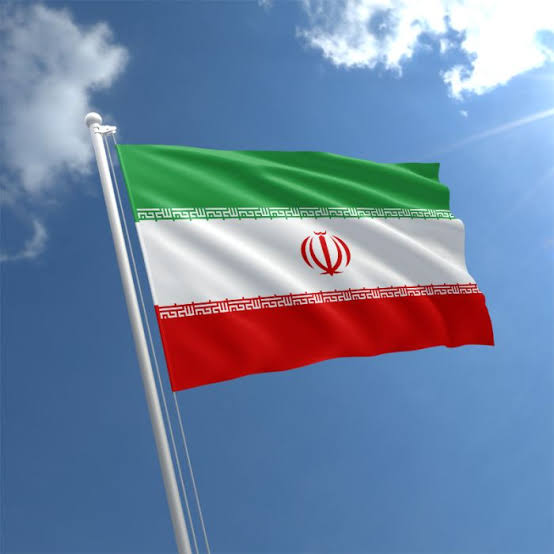
Iran expresses readiness for ceasefire amid on going hostilities with Israeli forces

Iran expresses readiness for ceasefire amid on going hostilities with Israeli forces
Iran has expressed openness to a ceasefire amid its intensifying conflict with Israel, even as Israeli airstrikes continue to target strategic locations in Tehran, including the headquarters of state-run media.
On Monday, the Iranian capital was rocked by a series of devastating explosions. Witnesses described scenes of panic and destruction.
“There was a deafening blast—glass shattered, people were screaming and fleeing. We thought it was over,” recounted a resident from central Tehran.
The bombardment, part of Israel’s ongoing military campaign dubbed Operation Rising Lion, has led to the evacuation of over 330,000 people from the city.
Iranian authorities have since designated several areas as “red zones,” particularly those surrounding nuclear facilities and military installations, as airstrikes intensify.
Despite the intensifying bombardment, Iran has initiated back-channel diplomatic efforts through Gulf states including Qatar, Oman, and Saudi Arabia, in hopes of brokering a truce.
Media reports suggest Tehran is proposing a multi-step peace deal that includes an immediate ceasefire, resumption of nuclear talks, and temporary halts to uranium enrichment and missile testing—on the condition that the United States stays out of the conflict.
Still, Israeli airstrikes continue unabated. On Monday, fighter jets targeted suspected missile depots and nuclear facilities, along with the Islamic Republic of Iran Broadcasting (IRIB) headquarters, temporarily knocking national broadcasts off-air and delivering a symbolic blow to the regime’s communication efforts.
The strikes have crippled portions of Iran’s air defense systems, according to military analysts, weakening Tehran’s ability to mount effective resistance and likely accelerating its push for diplomatic engagement.
Meanwhile, panic has gripped the capital. Fuel stations saw long queues, roads were gridlocked with fleeing civilians, and emergency shelters have reached full capacity. Hospitals in Tehran and Tel Aviv are overwhelmed.
Markets reacted swiftly to news of potential de-escalation. Global oil prices, which had surged earlier, dropped nearly 4% after reports of Iran’s diplomatic outreach emerged, offering a measure of relief to traders concerned about disruptions in the Strait of Hormuz.
Inside Israel, Prime Minister Benjamin Netanyahu remains resolute. At a press conference, he dismissed Iran’s ceasefire proposal, declaring: “This is not the time for half-measures. We will finish what we started.”
Former U.S. President Donald Trump, who still wields significant influence, urged restraint. In a separate statement, he warned: “If this continues, we risk World War III.”
Trump reportedly turned down Israeli proposals for U.S. involvement in a covert operation to assassinate Iran’s Supreme Leader Ayatollah Ali Khamenei, fearing it would spark uncontrollable escalation across the region.
The conflict, now entering its fifth day, was triggered by a suspected Iranian cyberattack on Israel’s nuclear command systems.
Israel responded with a wave of airstrikes, prompting Iran to fire over 150 missiles at cities including Tel Aviv and Haifa. While Israeli air defenses intercepted most of them, several struck populated areas, resulting in casualties.
Current death tolls stand at 24 in Israel and 224 in Iran, with hundreds injured. Both nations remain under emergency conditions.
In diplomatic circles, efforts to prevent a broader war are gaining momentum. Oman is reportedly drafting a peace framework involving phased de-escalation, troop withdrawals, and the deployment of a UN-led multinational monitoring force.
UN Secretary-General António Guterres and the European Union have welcomed Iran’s overture, calling for an immediate and unconditional ceasefire to protect civilians and prevent further devastation.
Still, the situation remains volatile. Israeli warplanes continue to patrol Iranian skies, and Tehran has yet to formally suspend its missile launches.

Military
Middle East war: Switzerland rejects US requests to use its airspace for military operations
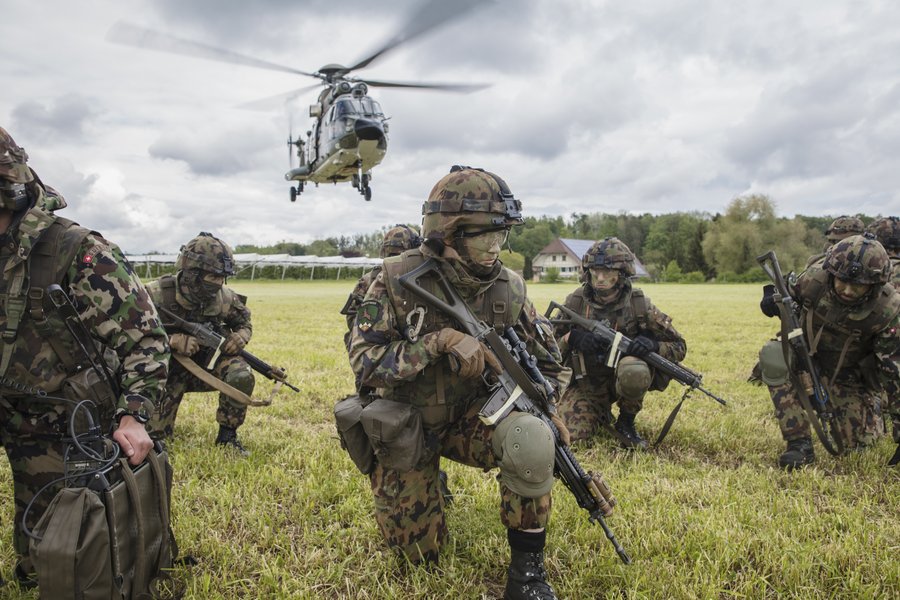
Middle East war: Switzerland rejects US requests to use its airspace for military operations
Switzerland has declined requests from the United States to allow military-related flights through its airspace in connection with the ongoing conflict involving Iran, citing its obligations under international neutrality laws.
The Swiss government disclosed on Saturday that two requests tied to the war were rejected after being reviewed under the country’s neutrality policy.
“In total, two requests linked to the war in Iran were refused, while a maintenance flight and two requests for transport aircraft were approved,” the government said in a statement.
According to authorities, the rejected requests involved reconnaissance flights scheduled for March 15.
Explaining the decision, the Swiss government said its neutrality laws prohibit the use of its territory for military activities related to armed conflicts.
“The law of neutrality prohibits overflights by parties to a conflict for military purposes related to that conflict,” the statement said, referencing the war involving the United States, Israel and Iran.
However, the government noted that certain categories of flights are still allowed under international rules.
Flights for humanitarian or medical purposes, including the transport of injured persons, as well as flights not connected to the conflict, remain permitted.
The development comes amid heightened diplomatic tensions among Western allies over access to military facilities and airspace following the escalation of hostilities in the Middle East.
At the start of the war, US President Donald Trump publicly criticised the United Kingdom for initially hesitating to allow American forces to use its bases, and later threatened Spain with trade measures after Madrid declined a similar request.
Foreign News
Keep dreaming; Khameini slams US President on claims he has destroyed Iranian nuclear sites
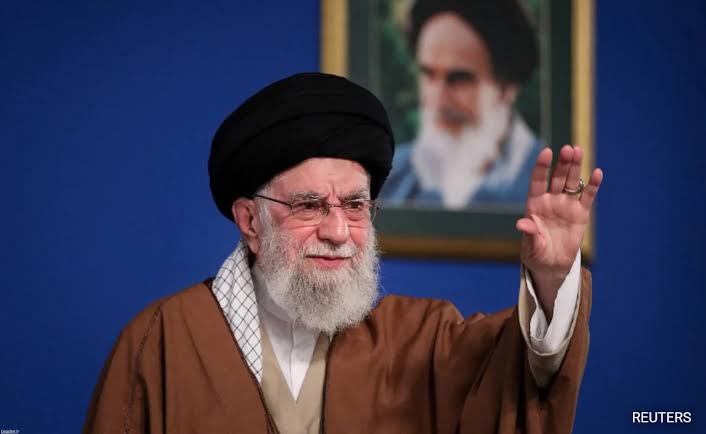
Keep dreaming; Khomeini slams US President on claims he has destroyed Iranian nuclear sites
Iran’s supreme leader, Ayatollah Ali Khamenei, on Monday rejected US President Donald Trump’s assertion that American strikes in June had destroyed Iran’s nuclear facilities.
In a statement on his official website, Khamenei told Trump to “keep dreaming” regarding the alleged destruction and questioned the US president’s authority “to say what a country should or should not have if it possesses a nuclear industry.”
The claims follow an unprecedented bombing campaign by Israel in mid-June, which saw the US briefly join in targeting key Iranian nuclear sites.
Last week, speaking at the Israeli Knesset, Trump said the US had confirmed “obliterating” the facilities.
“So we dropped 14 bombs on Iran’s key nuclear facilities. Totally as I said originally obliterating them and that’s been confirmed,” he stated.
In a Sunday interview with Fox News, Trump added that Iran “no longer became the bully of the Middle East” after the strikes, which he claimed “destroyed their nuclear capability” and described as “the most beautiful military operation.”
However, the actual impact of the strikes remains unclear.
The Pentagon estimated that the attacks delayed Iran’s nuclear program by one to two years, contradicting an initial classified US intelligence report suggesting only a few months of setback.
On Monday, Khamenei described Trump’s comments as “improper, wrong, and bullying.”
The June conflict with Israel occurred just two days before a planned sixth round of nuclear negotiations between Tehran and Washington, which had started in April.
Talks have since stalled, with Iran stating it would only resume discussions if the US provided guarantees against military action.
Foreign News
JUST IN: Israel has agreed to 60-day ceasefire with Iran says Donald Trump
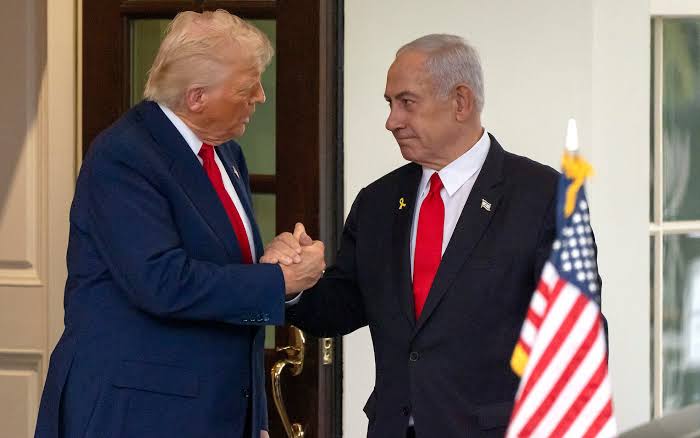
JUST IN: Israel has agreed to 60-day ceasefire says Donald Trump
Israel has agreed to the necessary conditions for a 60-day ceasefire in the Gaza war and it is now up to Hamas to accept the deal, U.S. President Donald Trump said on Tuesday.
During the two-month period, the United States will work with all parties to end the conflict, Trump wrote on his platform, Truth Social.
Representatives from Qatar and Egypt, who have been heavily involved in peace efforts, will deliver this latest proposal to the Palestinian extremist organisation, Hamas.
“I hope, for the good of the Middle East, that Hamas takes this Deal, because it will not get better – IT WILL ONLY GET WORSE,” Trump said in his post.
The president said U.S. representatives held a long and productive meeting with Israeli officials on Tuesday to discuss Gaza.
However, there was no immediate comment from the Israeli side.
Trump had already hinted at a possible ceasefire in the Gaza war a few days ago.
He is set to host Israeli Prime Minister Benjamin Netanyahu in Washington next week, with the Gaza war at the top of the agenda.
Trump reiterated on Tuesday that he expects an agreement to be reached next week.
The U.S. has been working for weeks to gain support for a plan involving an initial 60-day ceasefire. (dpa/NAN)
-
6 years ago
Our situation in Kano terrible – Gov Ganduje cries out
-

 News1 year ago
FG pledges commitment to enhance Police officers Welfare, implement Tinubu’s 8-point agenda for NPF
-

 News1 year ago
BREAKING; NSCDC gets approval to commence 2025 recruitment exercise
-

 News1 year ago
Alleged cocaine deal: Court issues orders in suspended DCP Abba Kyari’s case
-

 News1 year ago
DPO under investigation for allegedly taking teenage girl to his home while in police custody
-

 News1 year ago
JUST IN; Commissioner of Police bows out of Service
-

 News1 year ago
JUST IN; Police Inspector dies watching Arsenal match
-
6 years ago
COVID 19: 6 Steps all Countries must take now – WHO