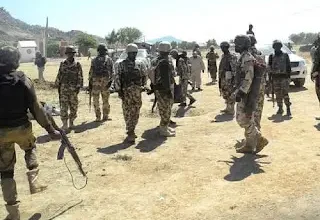
Fed Govt rejects US allegations of religious persecution, insists insecurity not faith-driven
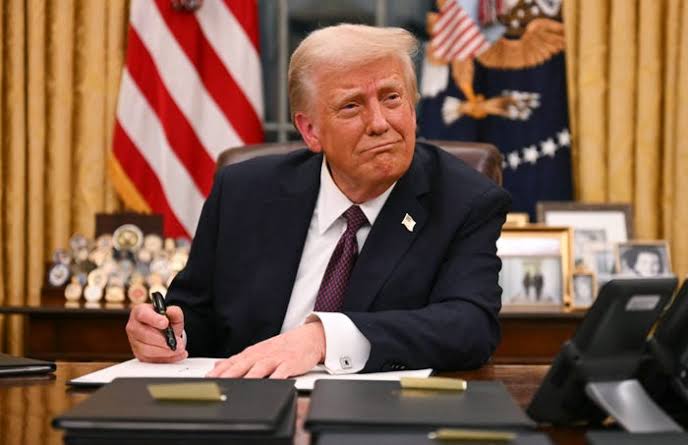

Fed Govt rejects US allegations of religious persecution, insists insecurity not faith-driven
The Federal Government has pushed back against allegations of religious persecution in Nigeria following a report submitted to the White House by members of the United States Congress.
The report presented after months of investigations and on-the-ground assessments by the US House Committees on Appropriations and Foreign Affairs raised concerns over alleged persecution of Christians and extremist violence in parts of Nigeria.
The development followed President Donald Trump’s decision to redesignate Nigeria as a Country of Particular Concern and mandate Congressman Riley Moore and Appropriations Committee Chairman Tom Cole to lead a congressional probe into religious persecution and terrorism-related violence.
Moore, in a statement posted on his official X account, described the submission as the culmination of bipartisan efforts and said the engagements provided what he termed a clearer understanding of insecurity challenges, particularly affecting Christian communities.
Responding to the report, Nigeria’s Minister of Information, Mohammed Idris, dismissed claims that the government sponsors or condones religious persecution.
“The Federal Government of Nigeria has taken note of recent statements and recommendations emerging from engagements within the United States Congress, contained in a joint report on Christian persecution in Nigeria submitted to the White House on Monday by the House Foreign Affairs Committee and the House Appropriations Committee, concerning security developments in Nigeria,” he said.
While acknowledging the country’s security struggles, the minister stressed that violence in Nigeria is not rooted in state-backed religious bias.
“Nigeria acknowledges that parts of the country continue to face serious security challenges, including terrorism, banditry, and communal conflicts that have tragically affected many communities. The Federal Government remains deeply concerned about the loss of lives and destruction of property resulting from these criminal acts, and we extend our sympathies to all victims and their families, regardless of faith, ethnicity, or region.
“It is important to state clearly that Nigeria does not have, and has never had, a state policy of religious persecution. The violence being confronted by our security agencies is not driven by government policy or religious bias, but by complex security threats, including terrorism, organised criminality, and longstanding communal tensions.”
Idris reiterated that Nigeria’s Constitution guarantees freedom of religion and worship, insisting that the government remains committed to ensuring equal protection under the law for all citizens.
He also highlighted Nigeria’s diplomatic ties with the United States, signalling readiness for continued engagement despite the disagreement over the report’s conclusions.
“Nigeria values its longstanding and strategic partnership with the United States. Our two countries share common interests in promoting security, economic development, and regional stability. We remain open to constructive dialogue and cooperation rooted in mutual respect, shared responsibility, and recognition of Nigeria’s constitutional framework and sovereignty.
“The Federal Government will continue to engage international partners through appropriate diplomatic channels while remaining focused on its primary duty, the protection of all Nigerians.”