DNA Palaver; Significant portion of Nigerian Men not Fathers to their Children
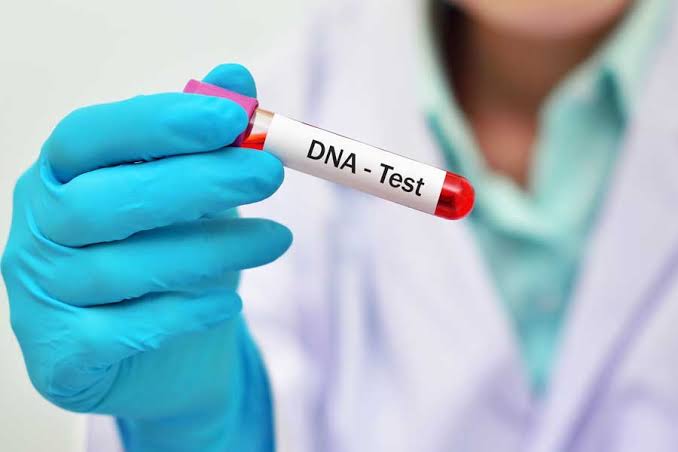

DNA Palaver; Significant portion of Nigerian Men not Fathers to their Children
A new report from Smart DNA, a leading Nigerian DNA testing center, has revealed that a significant number of men who undergo paternity tests are not the biological fathers of the children in question.
The company’s 2025 Annual DNA Testing Report found that 25% of tests conducted between July 2024 and June 2025 resulted in a finding of non-paternity.
While this marks a slight decrease from the 27% reported in 2024, the consistently high rate has prompted experts to describe the trend as a “quiet but growing social crisis.”
According to Elizabeth Digia, Operations Manager at Smart DNA, the findings highlight deeper issues beyond scientific results.
“These findings are not just about science; they speak volumes about trust, relationships, and the economic and emotional realities of Nigerian families today,” she said.
The report provides several key insights into the trends of paternity testing in Nigeria:
Firstborns Most Affected: The report revealed a staggering statistic: 64% of firstborn sons tested were found to have no biological connection to their presumed fathers. This figure is significantly higher than the rates seen in later-born children, suggesting that paternity doubts are often focused on the first child.
Gender Bias in Testing: Male children were tested more frequently than females, accounting for 53.8% of all tests. This highlights a cultural bias toward confirming male lineage, which is often tied to succession and family identity.
Motivations for Testing: The vast majority of tests, 83.7%, were conducted for “peace of mind” rather than for legal reasons. Only 1.4% were court-mandated, indicating that most cases are personal and handled discreetly.
Immigration Drives Surge in Testing: The recent “Japa” (mass emigration) movement has led to a 13.1% increase in DNA tests for visa applications, dual-citizenship verifications, and family reunification purposes. This surge highlights how DNA testing is becoming a “biological passport” for Nigerians seeking opportunities abroad.
Demographics of Clients: Men initiated 88.2% of all tests. The majority of clients were older men (45.5% were aged 41 and above), suggesting that financial stability may enable them to address long-held suspicions. The majority of children tested (58.6%) were under the age of five, indicating that doubts often arise early.
Ethnic Breakdown: The report found that clients of Yoruba ethnicity made up the largest group at 53%, followed by Igbo clients at 31.3%. Hausa clients represented a minimal 1.2% of cases, which may reflect cultural taboos or a lower awareness of testing services in Northern Nigeria.
Geographic Trends: Lagos continues to lead in testing volume, accounting for 69% of all samples. There is a notable shift in activity from the mainland to affluent island locations like Lekki and Ajah, reflecting the economic mobility of some Lagos residents.
The report also pointed out that Nigeria currently lacks legislation on paternity fraud, leaving many men without legal recourse after years of emotional and financial investment. The report recommends that the government consider urgent policy reform, alongside public education campaigns to address myths and promote open conversations about paternity.
The findings underscore a silent societal shift in Nigeria, where issues of trust, family dynamics, and modern science are increasingly at the forefront of personal lives, making paternity testing a reflection of a larger national conversation.