Senate passes bill requiring Facebook, other Social Media platforms to set up offices in Nigeria

Senate passes bill requiring Facebook, other Social Media platforms to set up offices in Nigeria
The Nigerian Senate has advanced a significant bill aimed at amending the Nigeria Data Protection Act, 2023, which would compel social media platforms to establish physical offices within the country.
The bill, titled “A Bill for an Act to Amend the Nigeria Data Protection Act, 2023, to Mandate the Establishment of Physical Offices within the Territorial Boundaries of the Federal Republic of Nigeria by Social Media Platforms, and for Related Matters, 2025 (SB. 650),” was introduced by Senator Ned Nwoko, representing Delta North.
During his presentation, Senator Nwoko highlighted Nigeria’s status as Africa’s most populous nation, with over 220 million people and a significant digital presence.
Referencing a Global Web Index report, he pointed out that Nigeria ranks first in Africa and second globally for social media usage, with Nigerians spending an average of three hours and 46 minutes daily online.
Despite the country’s extensive online engagement, Nwoko noted that major multinational social media platforms—such as Facebook, X, Instagram, WhatsApp, YouTube, TikTok, and Snapchat—do not have physical offices in Nigeria, unlike their operations in other countries.
This absence, he argued, has led to various issues, including economic losses and difficulties in ensuring compliance with legal and data protection regulations.
The senator emphasized that the bill is not intended to target these platforms but to ensure fairness, stressing that Nigeria’s global digital influence should be respected by the social media giants establishing a local presence.
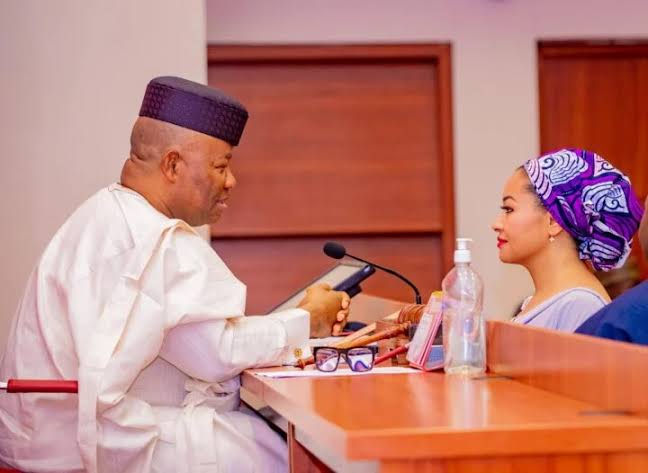
Senate President Godswill Akpabio voiced his support for the bill, recognizing the importance of requiring a physical address for digital platforms operating in Nigeria.
However, he also cautioned that regulating bloggers would require a careful and balanced approach to avoid potential overreach, stressing the need to protect freedom of expression while ensuring compliance with the new regulations.
He stated: ‘It’s good to have an address, but bloggers are slightly different. I think the best thing is for the bill to go for a second reading and subsequently public hearing for much more streamlined clarity.”