FG increases Airport surveillance for people arriving Nigeria as another global disease epidemic breaks out

FG increases Airport surveillance for people arriving Nigeria as another global disease epidemic breaks out
The Federal Government has intensified surveillance at Nigeria’s major international airports to prevent the potential spread of Human Metapneumovirus (HMPV), a respiratory virus recently detected in China.
Health Minister Muhammad Ali Pate has directed port health officials to begin screening passengers arriving at airports for any signs of the virus, with measures already in place at both the Murtala Muhammed International Airport in Lagos and Nnamdi Azikiwe International Airport in Abuja.
Although the Nigeria Civil Aviation Authority (NCAA) has not yet issued an official directive to airlines regarding additional passenger checks, sources within the airports confirmed that port health officers are closely monitoring international travelers.
This proactive response mirrors the steps taken by Nigeria during the early stages of the COVID-19 pandemic, when the country’s first confirmed case in February 2020 came from an Italian traveler arriving in Lagos.
The global spread of HMPV has raised alarms, with cases now reported in India, Malaysia, Hong Kong, Kazakhstan, and over 5,000 hospitalizations in the UK, particularly affecting children under five and elderly individuals.
Experts attribute the rise in cases to the colder weather and increased indoor activity, conditions that favor the transmission of respiratory viruses.
In response, the Nigeria Centre for Disease Control and Prevention (NCDC) is working closely with the Ministry of Health and Social Welfare to monitor the situation.
Dr. Jide Idris, NCDC Director-General, assured the public that accurate information and timely guidance are being provided to ensure preparedness. The NCDC also dismissed rumors that the World Health Organization (WHO) had declared HMPV a Public Health Emergency of International Concern.
Health professionals are calling for heightened vigilance and proactive measures.
Dr. Francis Ohanyido of the West African Institute of Public Health emphasized the importance of surveillance, public education, and healthcare readiness, urging the government to leverage lessons from past outbreaks like Ebola and COVID-19.
Similarly, Professor Oluwasogo Olalubi of Kwara State University highlighted the need for improved laboratory capabilities, better surveillance, and reserves of medical supplies, stressing the importance of isolating any detected cases.
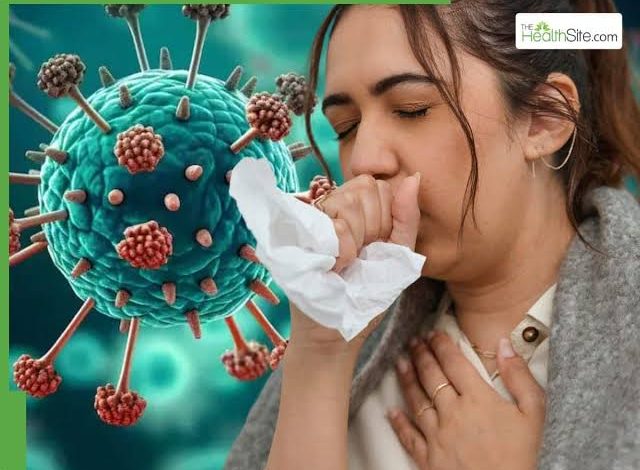
HMPV causes symptoms ranging from mild cold-like effects to severe respiratory issues. While most infections resolve within five days, vulnerable groups such as children, the elderly, and immunocompromised individuals are at a higher risk.
The public is advised to practice hand hygiene, avoid crowded areas, and seek medical attention if symptoms persist.