Ministers, Governors, Senators could be next victims of insecurity– Ex–COAS warns
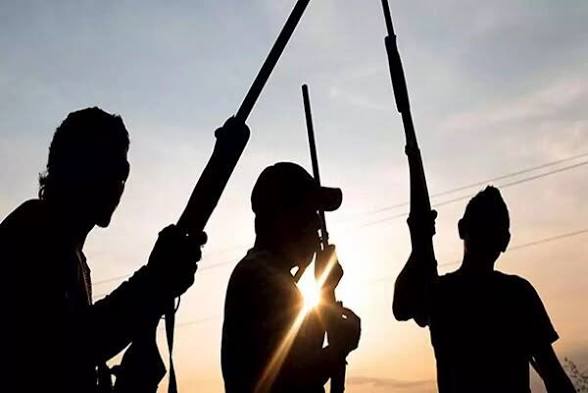

Former Chief of Army Staff, Lt.-Gen. Tukur Buratai (retd.), has raised fresh concerns over Nigeria’s deteriorating security situation, warning that political leaders, including ministers, senators and governors, could become targets of bandits and insurgents if urgent measures are not taken to reverse the trend.
Buratai issued the warning in a statement titled, “A Frank and Patriotic Advice on Nigeria’s Escalating Security Crisis,” following the reported abduction and death of former Director of Defence Information, Maj.-Gen. Rabe Abubakar (retd.), in captivity.
The former army chief described the killing of a senior military officer by non-state actors as a disturbing development that should serve as a wake-up call for authorities at all levels.
“When a general falls into the hands of non-state actors, it signals a serious erosion of tactical deterrence. If this trend continues unchecked, the next targets may not be soldiers or civilians alone. They could include ministers, senators, and even state governors,” he warned.
Buratai said the incident underscored the growing sophistication and boldness of criminal groups, arguing that the country’s current security challenges require a more aggressive and coordinated response.
He recalled warning in 2021 that insurgency and banditry could linger for as long as two decades if decisive action was not taken, noting that recent developments appear to validate those concerns.
According to him, bandits and insurgents now operate with advanced intelligence networks, heavy weaponry and increasing confidence, posing a direct challenge to state authority.
The former Nigerian Ambassador to Benin Republic called on the Federal Government to abandon any consideration of negotiating with criminal groups and instead launch a comprehensive military and intelligence offensive against terrorist and bandit networks.
He maintained that sustained military pressure between 2015 and 2019 demonstrated that insurgent groups could be significantly weakened through coordinated operations.
Buratai also proposed the establishment of a National Emergency Command to coordinate all security agencies operating in high-risk areas across the country.
“Insecurity is no longer a regional problem; it is a national emergency,” he said.
According to him, the proposed command structure should report directly to the President and be empowered with a clear mandate to dismantle terrorist camps and bandit strongholds.
The retired general further advocated intensified efforts against individuals and groups providing logistical, financial and intelligence support to criminal organisations.
“Bandits do not survive on weapons alone. They depend on support networks that must be identified, dismantled, and prosecuted,” he stated.
He also urged state governors to play a more active role in combating insecurity through support for state policing initiatives, properly vetted vigilante groups and community-based intelligence systems integrated into formal security frameworks.
While calling for enhanced protection of public office holders through improved intelligence gathering and counter-ambush measures, Buratai stressed that the broader objective should be the dismantling of the criminal ecosystem sustaining insecurity nationwide.
Describing his intervention as patriotic and devoid of political motives, the former army chief urged leaders at all levels to act decisively before the situation worsens.
“If we do not radically change our approach today, the headlines of tomorrow may make today’s tragedy seem like only a warning,” he said.
He added that although the abduction of senior political leaders is not inevitable, it could become a realistic possibility if authorities continue with what he described as “business as usual.”
Buratai concluded by urging security and political leaders to ensure that the death of Maj.-Gen. Abubakar becomes “the last preventable sacrifice” in the country’s battle against terrorism, banditry and other forms of violent crime.