Creation of additional States; House of Representatives provides fresh updates

Creation of additional States; House of Representatives provides fresh updates
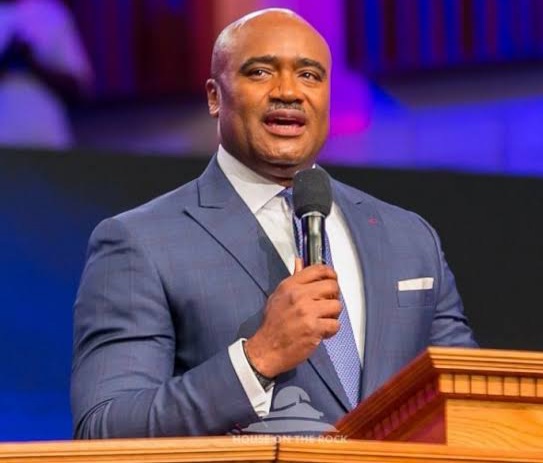
None of the 31 petitions for state creation that were made, according to Rt Hon. Benjamin Kalu, Chairman of the House of Representatives Committee on the Review of the 1999 Constitution, have complied with the constitutional requirements.
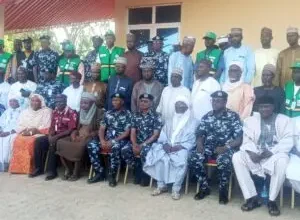
At a two-day retreat for committee members in Ikot Ekpene, Akwa Ibom State, on Friday, Kalu, who is also the Deputy Speaker of the House, explained that although the requests reflected the desires of multiple communities, they did not meet the legal requirements for the establishment of a state.
The retreat, which was held from February 20 to 23, 2025, gave committee members a crucial chance to examine legislation that were still pending constitutional amendments and plan out the next steps in the review process.
Organized by the 10th House in collaboration with the Policy and Legal Advocacy Centre and supported by the UK Foreign, Commonwealth, and Development Office (FCDO), the retreat focused on refining Nigeria’s governance framework.
In response to the state creation requests, Kalu announced that the committee had extended the submission deadline to March 5, 2025, allowing more time for input and potential revisions.
He also mentioned that the deadline could be further extended based on the discussions and outcomes of the retreat.
Additionally, Kalu revealed that the committee is reviewing 151 constitutional amendment bills, with some already progressing to the second reading, while others are still at the initial stages.
This reflects the ongoing efforts by lawmakers to improve the country’s governance structure.
“Although we have received 31 requests for state creation, none of these requests met the constitutional requirements for amendment.
“Therefore, we have since extended the submission date to the 5th of March, 2025. But this retreat could in our resolution extend it further if we find out that there are still challenges that the people we represent in their efforts to make their voices heard.
“So at the end of this retreat, it will be one of the things we will look into, whether or not we will extend the time. But let it be a notice that none of the applications followed the conditions laid out by Section 8 of the Constitution of the Federal Republic of Nigeria,” Kalu said.
Kalu identified duplication as a significant challenge in the constitutional review process, revealing that several bills addressed similar issues under different sponsors, and some topics overlapped.
To address this, the committee took steps to streamline the review process by categorizing the bills into specific thematic areas. These areas include Federal Structure and Power Devolution, Local Government Autonomy, Public Revenue, Fiscal Federation, Revenue Allocation, Nigerian Police and Security Architecture, Judicial Reforms, Electoral Reforms, Gender Issues and Human Rights, and State Creation.
According to Kalu, this categorization will allow lawmakers to focus on amendments based on their national importance and legislative relevance.
Acknowledging the link between constitutional amendments and electoral laws, Kalu stated that the committee had invited the leadership of both the House and Senate Committees on Electoral Matters to attend the retreat. He emphasized that any proposals to amend the Electoral Act that require constitutional changes must be reviewed by the Committee.
“A proactive, cooperative approach will ensure smooth legislative processes and comprehensive legal reforms,” Kalu noted.
Looking ahead, the committee has scheduled Zonal and National Public Hearings across Nigeria’s six geopolitical zones as part of the next phase of the constitutional review. These hearings will offer Nigerians a chance to participate in the amendment process.
The public hearings will be held in the following states: North Central (Nasarawa and Niger), North East (Borno and Gombe), North West (Kaduna and Sokoto), South East (Enugu and Imo), South South (Bayelsa and Cross River), and South West (Lagos and Ondo).
Kalu called on lawmakers to approach the review process with diligence and objectivity to ensure that the final amendments align with the will of the Nigerian people. “As legislators, we must ensure the voices of Nigerians are reflected in our constitutional reforms,” he said.
He reassured Nigerians of the committee’s commitment to a transparent and inclusive process, expressing confidence that the ongoing discussions would strengthen the country’s democracy and governance framework.
Clement Nwankwo, Executive Director of the Policy and Legal Advocacy Centre (PLAC), expressed his organization’s pleasure in supporting the Committee throughout this important work.
“We are quite confident that this committee intends to deliver on the mandate that it has set for itself and it will be a key and great win to see the amendments to the constitution delivered within the timeframe that this committee has set.
“We’re looking forward to great deliberations. My colleagues who are co-consultants with me on this project have been meeting over several the last couple of months to deliberate and come up with suggestions for this committee to look at,” he said.